
New Orleans genealogist Jari C. Honora named 2025 Louisianan of the Year
26th January 2026 · 0 Comments
By Ryan Whirty
Contributing Writer
A researcher and genealogist at the Historic New Orleans Collection has been named Louisianan of the Year for 2025 by Nola.com/The Times-Picayune for his research in-to Pope Leo XIV’s ancestral roots in Louisiana and his connection to Creole culture.
Jari C. Honora, a family historian and certified genealogist – one of only three Black researchers to achieve the latter title – at HNOC, discovered that the former Robert Prevost was part Black on his mother’s side of his family tree and that the new pope’s maternal ancestry was solidly rooted in New Orleans and its multicultural heritage.
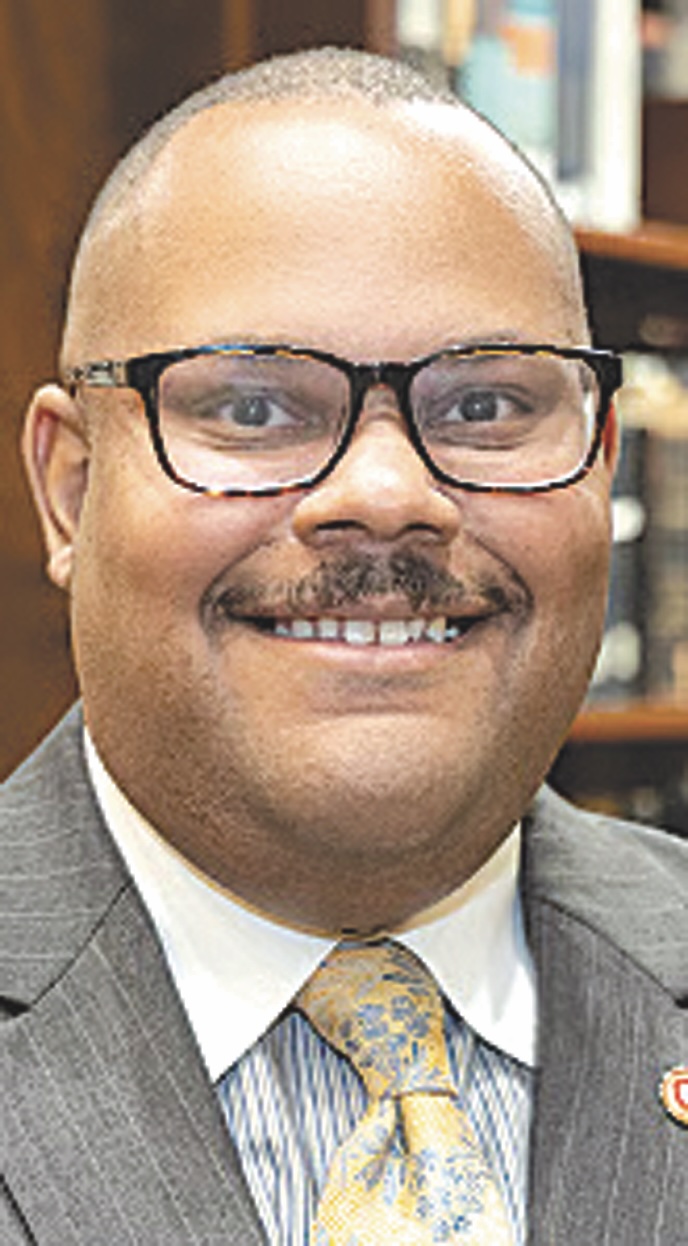
“Honora’s quick, deep research uncovered a colorful papal family history that engaged communities across the state,” stated the Dec. 31, 2025, issue of The Times-Picayune. “It also prompted reflection on the nature of race, migration and what history gets told – all things that have come under scrutin in recent years.
“Honora’s work makes him our Louisianan of the Year because it opened a new lens not only on our history, but also on our present-day dilemmas.
“It reaffirms that looking for connections with others rather than differences is the better way to honor our ancestors. The pope’s story has much to teach us. We are grateful to historians like Honora who help us unlock the lessons of the past.”
Honora said he is honored to be named Louisianian of the Year, and he is hopeful that the accolades will lead people to discover and explore the Historic New Orleans Collection.
“I am quite humbled by the honor,” said the St. Augustine High School and Tulane University grad. “I hope that it draws further attention to the invaluable work that the Historic New Orleans Collection and historians, professional genealogists and archivists do on a daily basis.”
Daniel Hammer, the president and CEO of the Historic New Orleans Collection, credited Honora with contributing significantly to HNOC’s mission and accomplishments during the genealogist’s time with the organization.
Hammer added that Honora’s work reflects the critical importance of delving into and celebrating the region’s rich, diverse cultural and ethnic history and traditions.
“Jari’s recognition as Louisianian of the Year is a profound testament to the vital role that rigorous historical inquiry occupies within the cultural fabric of Louisiana,” Hammer said. “At The Historic New Orleans Collection, we have long been the beneficiaries of Jari’s extraordinary scholarship and his unique ability to navigate the complexities of the archive with both precision and empathy. His work – particularly in bridging local narratives with global history – illustrates the deep, often hidden connections that define the Louisiana experience.
“By restoring the voices and lineages of those who came before us,” Hammer added, “Jari does more than document the past; he strengthens our communal identity and reaffirms the essential importance of the humanities in public life. We are immensely proud to see his contributions celebrated on such a significant stage.”
Honora, a native of Uptown New Orleans, said that hopefully his work can help bring Louisianans together despite their differences by reminding them of everything they have in common.
“There are about 43 million Black Americans and easily seven or eight times as many people in the African Diaspora,” he said. “There are 1.4 billion Catholics across the globe. Something like the connection I uncovered – that the pope descends from free and enslaved Blacks here in Louisiana – was able to link those two huge communities and center conversations about the links that have always existed between the two. It’s just one example of how uncovering our common past can make the world smaller and more interconnected.”
Honora went on to say, “Preserving, uncovering, and interpreting the past is vital to understanding who, what, and where we are and where we want to be in the future. Creating as accurate a picture of the past as possible helps us to measure our progress and evaluate our past experiences.”
This article originally published in the January 26, 2026 print edition of The Louisiana Weekly newspaper.